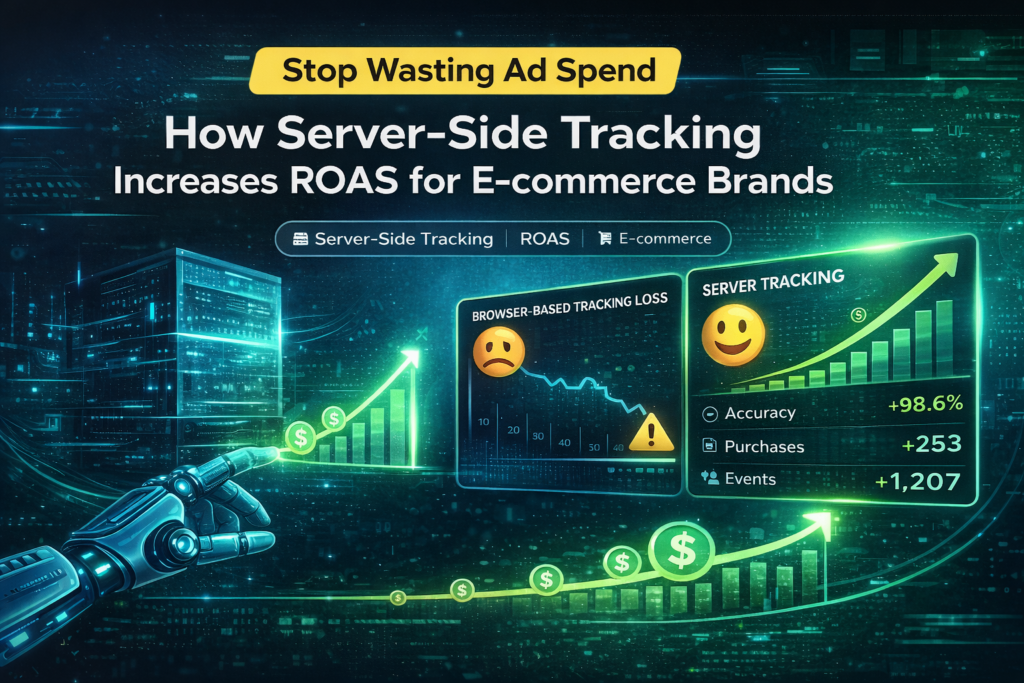
If you are running a global e-commerce brand, you’ve likely noticed a frustrating trend over the last year: your ad dashboards and your actual bank statements rarely tell the same story. You see sales coming in, but your Meta or Google Ads manager isn’t “seeing” them.
The reality is that traditional tracking is broken. With the rise of iOS 14.5+, intelligent tracking prevention (ITP), and the widespread use of ad-blockers, browser-based pixels are losing up to 30-40% of conversion data. When your data is missing, your Return on Ad Spend (ROAS) looks terrible on paper, and even worse, the ad platforms’ AI starts optimizing for the wrong audience.
This is where server side tracking for ecommerce becomes the ultimate competitive advantage for modern brands.
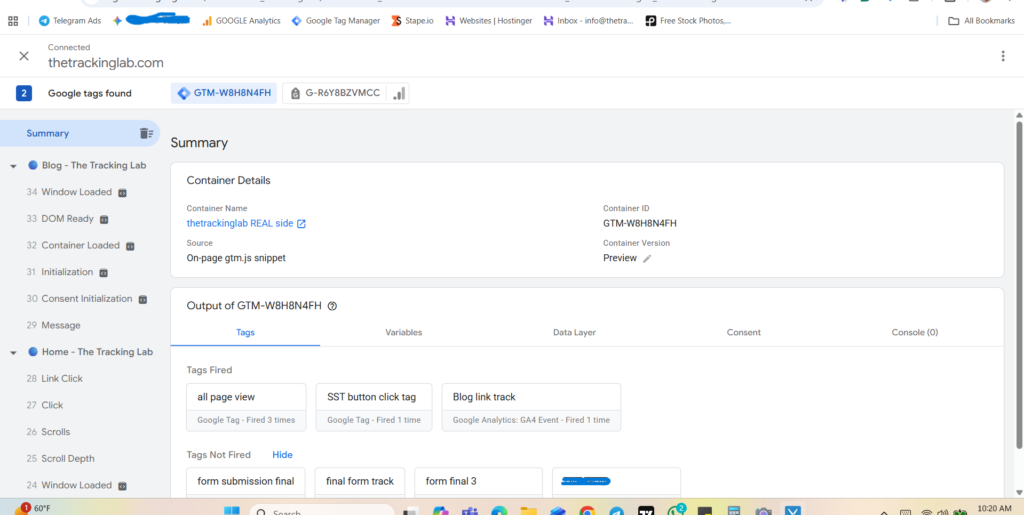
Traditional browser-side pixels are often blocked by ad-blockers or privacy settings, causing a significant leak in your conversion data.
Why Inaccurate Tracking is Killing Your Profit
Most founders I talk to are frustrated because they can’t scale their winning ads. Why? Because the data feed is “leaky.” If Meta or Google doesn’t know exactly who bought your product, their algorithms can’t find more people like them.
By shifting from the browser to the server, you bypass the limitations of the user’s device. Instead of relying on a “pixel” that a browser can easily block, you send data directly from your server to the marketing platform. This is the only reliable way to increase ROAS with server side tracking—by giving the algorithms the clean, full-funnel data they need to perform at their peak.
The Business Impact: How to Fix Inaccurate ROAS
Inaccurate data leads to poor decision-making. You might turn off a “losing” ad set that was actually generating your best customers, simply because the pixel failed to record the purchase.
When you fix inaccurate ROAS, you stop guessing. You gain the confidence to double down on high-performing campaigns because you can finally see the true path to conversion. For a high-ticket or high-volume brand, even a small improvement in tracking accuracy can result in thousands of dollars in reclaimed revenue.
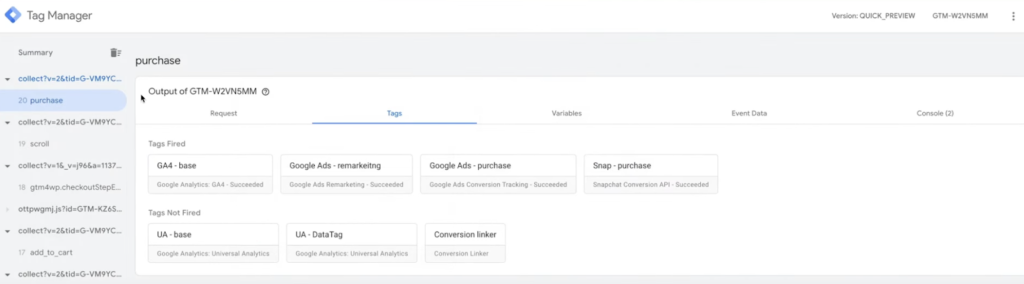
Server-side tracking ensures a direct, reliable data stream from your server to marketing platforms, bypassing device-level limitations.
The Two Pillars of Modern Tracking: Meta CAPI and GA4
To stay ahead in 2026, a basic setup isn’t enough. You need a robust infrastructure that survives the “cookie-less” world.
1. Meta CAPI Ecommerce Integration
This is no longer optional. Implementing the Conversions API ensures that your Meta Ads receive events directly from your server. It bridges the gap left by cookies and ensures your “Event Match Quality” score is high enough to significantly lower your Cost Per Acquisition (CPA).
2. GA4 Ecommerce Tracking Fix
Google Analytics 4 is powerful, but many brands suffer from “broken” setups where sessions are fragmented or purchase values are missing. A proper server-side fix ensures that your GA4 data is a 1:1 match with your store’s backend database.
Moving From “Technical Setup” to “Growth Strategy”
I help e-commerce brands build reliable data foundations that drive real growth. Server-side tracking isn’t just a technical checkbox on a list; it’s a strategic move to future-proof your business against evolving privacy changes.
My goal is to move you beyond simple “tag installation” and into a phase of data-driven authority. When your tracking is 100% accurate, your marketing becomes a predictable machine. You stop wasting budget on under-reported campaigns and start scaling with precision.
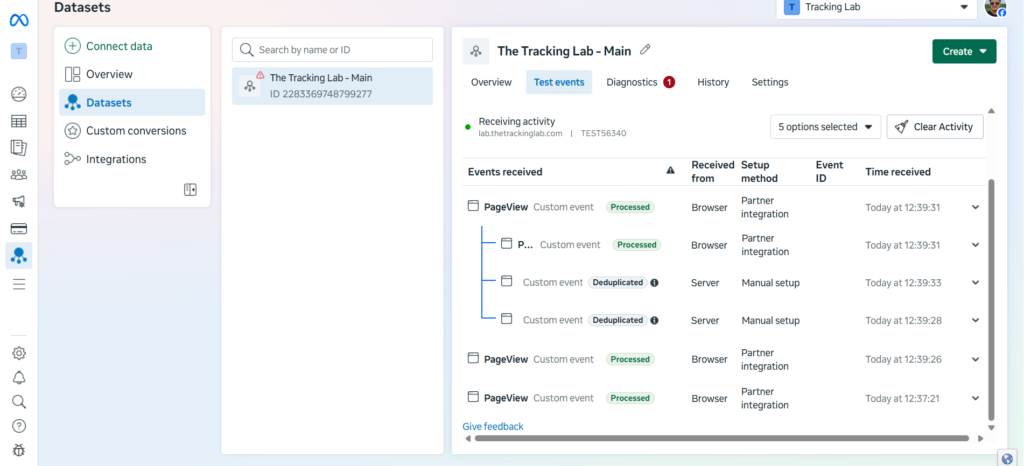
The difference is clear: Server-side tracking captures the “missing” 20-30% of conversion data that traditional pixels fail to see, allowing you to fix inaccurate ROAS.
Conclusion: Can Your Brand Afford to Stay Blind?
The gap between brands that track data accurately and those that don’t is widening. While your competitors are struggling with “blind” algorithms, you can be the one providing clean, first-party data that drives profitability.
If you’re ready to stop the data leak and see what your true ROAS looks like, book a free tracking audit and see exactly how much data you’re currently losing.